अर्थ प्रणाली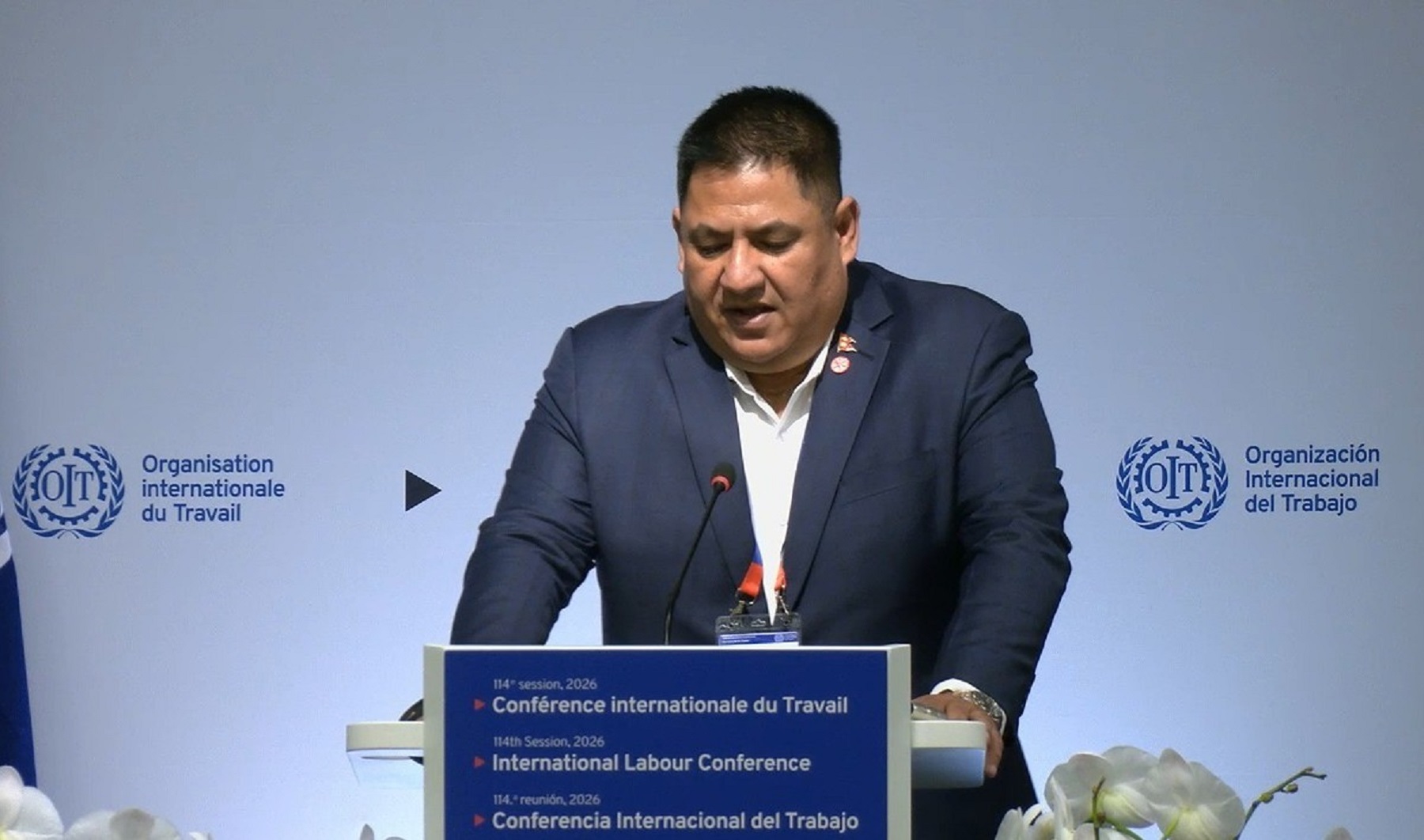
Geneva, Switzerland. Speaking at the 114th Session of the International Labour Conference (ILC) today on behalf of the Employers’ Council of the Federation of Nepalese Chambers of Commerce and Industry (FNCCI), Vice President (Associate) Prabal Jung Pandey strongly advocated for practical regulatory flexibility, enhanced enterprise productivity, and robust tripartite cooperation to navigate the profound transformations shaping the modern world of work.
In his address to global delegates, excellencies, and social partners, Vice President Pandey underscored that while Nepal is undergoing an important economic transition with the government demonstrating a clear commitment to improving governance, investment and infrastructure, the domestic economy continues to face modest growth, limited industrial expansion and rising operational costs.
Pandey highlighted the ongoing migration of Nepal’s youth seeking employment opportunities abroad as a primary national concern, calling for a dedicated focus on creating dignified and productive jobs at home by reinforcing investment-friendly policies, targeted skills training and establishing stronger linkages between educational curricula and actual market demands.
Highlighting the emerging landscape of the global economy, Vice President Pandey specifically addressed the rapid growth of the digital and platform economy in Nepal, noting that while freelancing, ride-sharing and digital services open major entrepreneurial avenues for youth, they simultaneously bring forward crucial questions regarding labour standards and social safety nets. He emphasised that developing nations require appropriate flexibility to introduce labour reforms and regulatory frameworks that align cleanly with national realities, institutional capabilities and specific economic conditions rather than rigid universal standards.
Pandey also outlined critical initiatives and priorities undertaken by Nepali employers across several key development sectors. Following the implementation of the National OSH Action Plan, employers look at safe and healthy workplaces as a driver of business competitiveness, sustainability and productivity rather than just a social obligation, with initial sector-specific guidelines already being introduced in the tea and cardamom industries.
Furthermore, FNCCI has successfully initiated pilot care models within selected enterprises to unlock vital employment potential specifically for women while supporting broader workplace inclusion and community well-being. Acknowledging that environmental factors like floods, landslides and shifting weather patterns directly disrupt business continuity, agriculture and livelihoods, Vice President Pandey called for international discussions on the future of work to actively champion green jobs and provide technical backing for climate-vulnerable nations facing disproportionate climate risks.
Amid geopolitical tensions in the Middle East affecting highly remittance-dependent economies like Nepal, he reiterated that employers bear an urgent responsibility to protect existing jobs, maintain business operations and foster social dialogue to strengthen economic resilience.
Concluding his address, Vice President Pandey extended a formal request to the International Labour Organisation (ILO) for long-term technical assistance focused on expanding enterprise productivity, driving workplace innovation and refining skills development. Reaffirming FNCCI’s unwavering commitment to tripartite social dialogue, he stated that sustainable economic expansion and labour rights must advance together through institutional trust, balanced national policies and deep social partnership.