अर्थ प्रणाली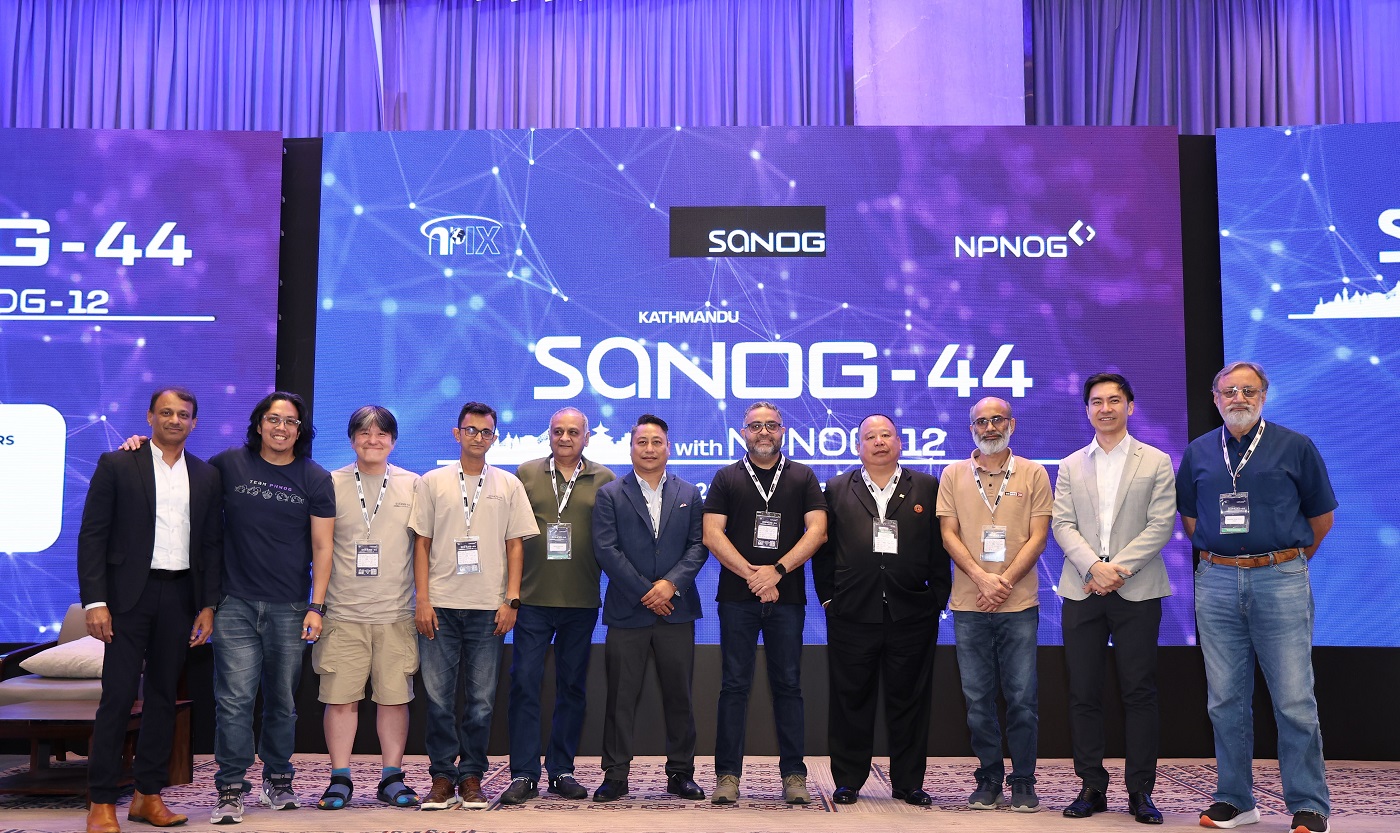
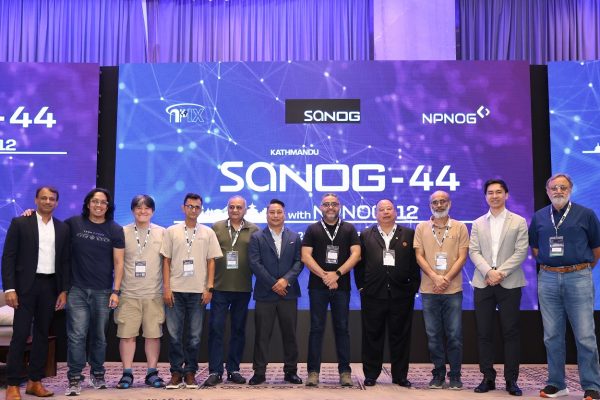
Kathmandu . South Asian internet pioneers were honored during the 44th edition of the South Asian Network Operators Group (SANOG) conference. The three-day event, which began in Kathmandu on Sunday, recognized individuals who have made significant contributions to the development and expansion of internet services across South Asia.
The conference honored internet pioneers from Nepal, India, Pakistan, Bangladesh, and Bhutan for their outstanding efforts in expanding public access to the internet and advancing commercial internet services in their respective countries.
The recipients of the Internet Enablers Awards were Dilip Agrawal (Nepal), Neeraj Sonker and Suchit Nanda (India), Tariq Mustafa (Pakistan), Sumon Ahmed Sabir (Bangladesh), and Jichen Thinley (Bhutan).
According to a statement issued by Internet Enablers, the awardees played a vital role in bringing internet access to the public and promoting the growth of commercial internet services long before the internet became an integral part of everyday life. Internet Enablers had previously recognized Gaurav Raj Upadhyaya of Nepal as an Asia-Pacific internet pioneer. Upadhyaya is also the founder of SANOG.
India’s Neeraj Sonker played a key role in launching the country’s first commercial internet service, GIAS, through VSNL in 1995. Fellow Indian Suchit Nanda introduced thousands of users to online communication through Bulletin Board Systems (BBS) even before commercial internet services were launched in India.
Similarly, Sumon Ahmed Sabir of Bangladesh was recognized for his three decades of contributions, including his role in the development of BDCOM. Jichen Thinley of Bhutan received the award for his long-standing contributions to the country’s early internet development and the expansion of GSM mobile networks.
Nepal’s Dilip Agrawal, the recipient of the country’s first Internet Enablers Award, founded WorldLink in 1995 with a single personal computer and a modem. Within a short period, he transformed the company into Nepal’s largest internet service provider. Today, WorldLink serves most districts across Nepal, with nearly half of the country’s internet traffic flowing through its network.
The statement noted that under Agrawal’s leadership, WorldLink evolved from dial-up internet services to Metro Ethernet and built one of Nepal’s largest Fiber-to-the-Home (FTTH) networks. The company has played a crucial role in extending high-speed broadband services to remote regions, including Karnali. His contribution is regarded as one of the key factors behind Nepal achieving one of the highest broadband penetration rates in South Asia.
The concept of Internet Enablers was conceived during the first regional internet conference held after the COVID-19 pandemic. Although the internet now powers economic development, education, healthcare, and communication, the contributions of many engineers, network operators, educators, and technology pioneers who built its foundation remain largely unknown outside the technical community.
To address this, Internet Enablers recognizes individuals across the Asia-Pacific region who have demonstrated technical leadership, vision, and dedication in building the digital infrastructure that Go to millions of people rely on today, while also preserving the history of the internet in the region.