अर्थ प्रणाली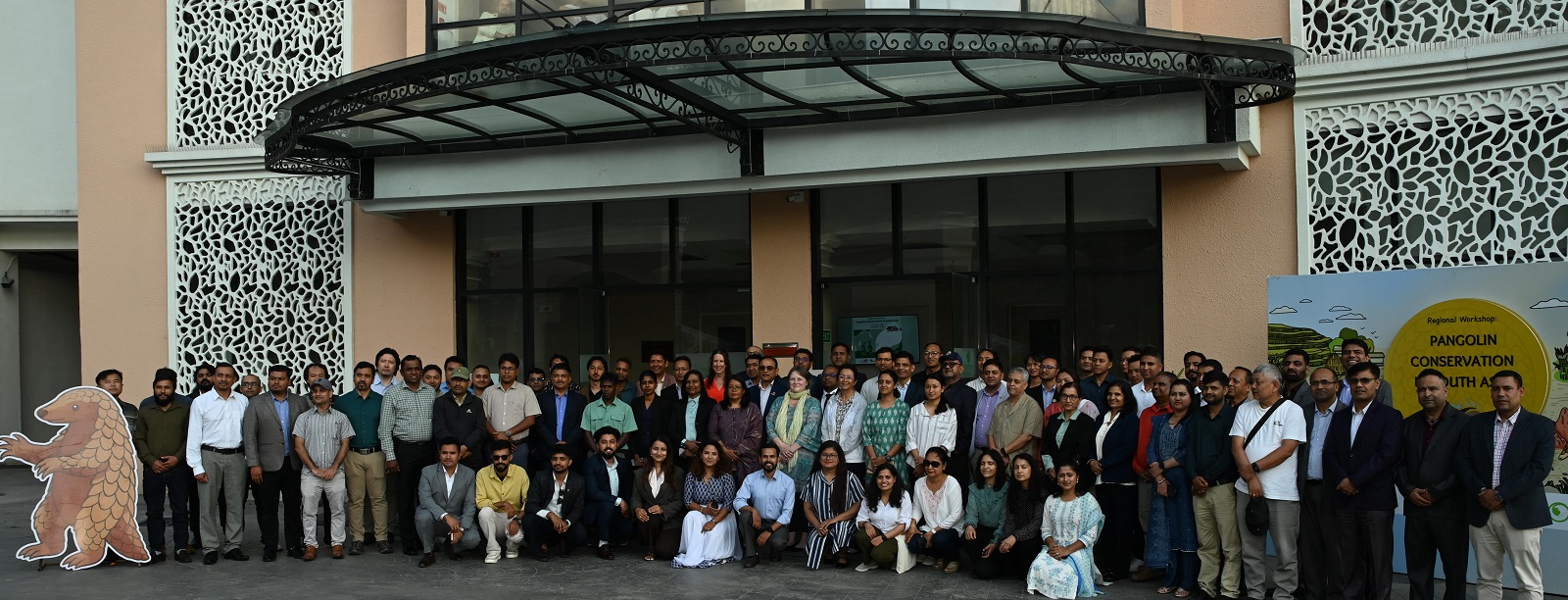

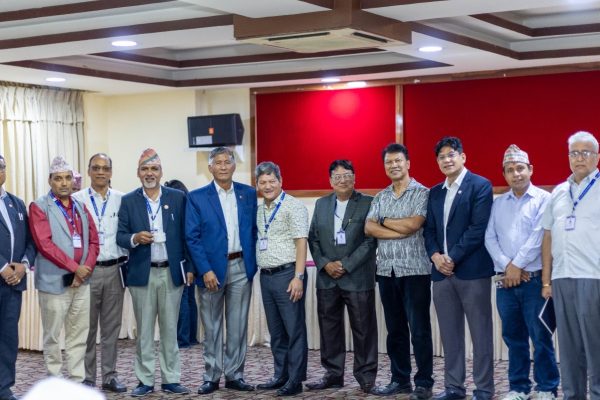
Kathmandu . Leading scientists, government officials, and conservationists working on pangolin conservation from across South Asia have gathered in Kathmandu to participate in a regional event focused on the protection of the critically endangered mammal.
The five-day event –Pangolin Conservation in South Asia– aims to strengthen regional cooperation and develop a shared conservation action plan for pangolins over the next 25 years.
Participants are attending from all six South Asian countries of pangolin range, excluding Afghanistan and the Maldives.
The program kicked off on Sunday, is jointly organized by IUCN SSC Pangolin Specialist Group, South Asia Wildlife Enforcement Network (SAWEN), and Greenhood Nepal.
Of the world’s eight pangolin species, which are found across limited regions of Asia and Africa, two species inhabit South Asia: the Chinese pangolin and the Indian pangolin, both inhabitants of Nepal.
All species are threatened by poaching and habitat loss. South Asia is the source and transit hub for its illegal trade.
Pangolins are distinctive mammals whose bodies are covered in protective scales from head to tail. Primarily nocturnal, they live in burrows and feed mainly on ants and termites using their cone-shaped heads and long tongues. Their habitats range from grasslands and forests to agricultural landscapes and areas close to human settlements.
Dr Buddi Sagar Paudel, Director General of Department of National Parks and Wildlife Conservations says: The collaboration like this is vital as its illegal trade doesn’t recognise boundaries neither should be our conservation efforts. Guided by several misconceptions this is already world’s most trafficked mammals, and this is already a wake-up call for the world. Let’s science inform policy in these efforts.
Keri Parker, Co-chair of the IUCN Species Survival Commission’s Pangolin Specialist Group says: “South Asia’s richness is reflected not only in its landscapes and cultures but also in its pangolins. There is still much to learn about these remarkable animals. Many colleagues joining us this week continue working to better understand pangolin diversity and evolution across South and Southeast Asia, including investigating the possibility of as-yet undescribed, cryptic species.”
Kumar Paudel, South Asia Co-chair of the Pangolin Specialist Group and Director of Greenhood Nepal says, “This important gathering in Nepal, a home to one of the region’s pangolin populations, provides an opportunity to advance conservation through knowledge-sharing and advocacy. The event is particularly meaningful because it is driven by the understanding that combating poaching, illegal trade, and other threats to pangolins requires cooperation that transcends national borders.”
The gathering is expected to facilitate scientific collaboration, strengthen regional conservation efforts, and help shape a long-term vision for securing the sustainable future of pangolins, which many believe to be one of the prominent conservation challenges now in South Asia.