By Samikchhya Gurung, Rahul Aryal, and Yadav Singh Dhami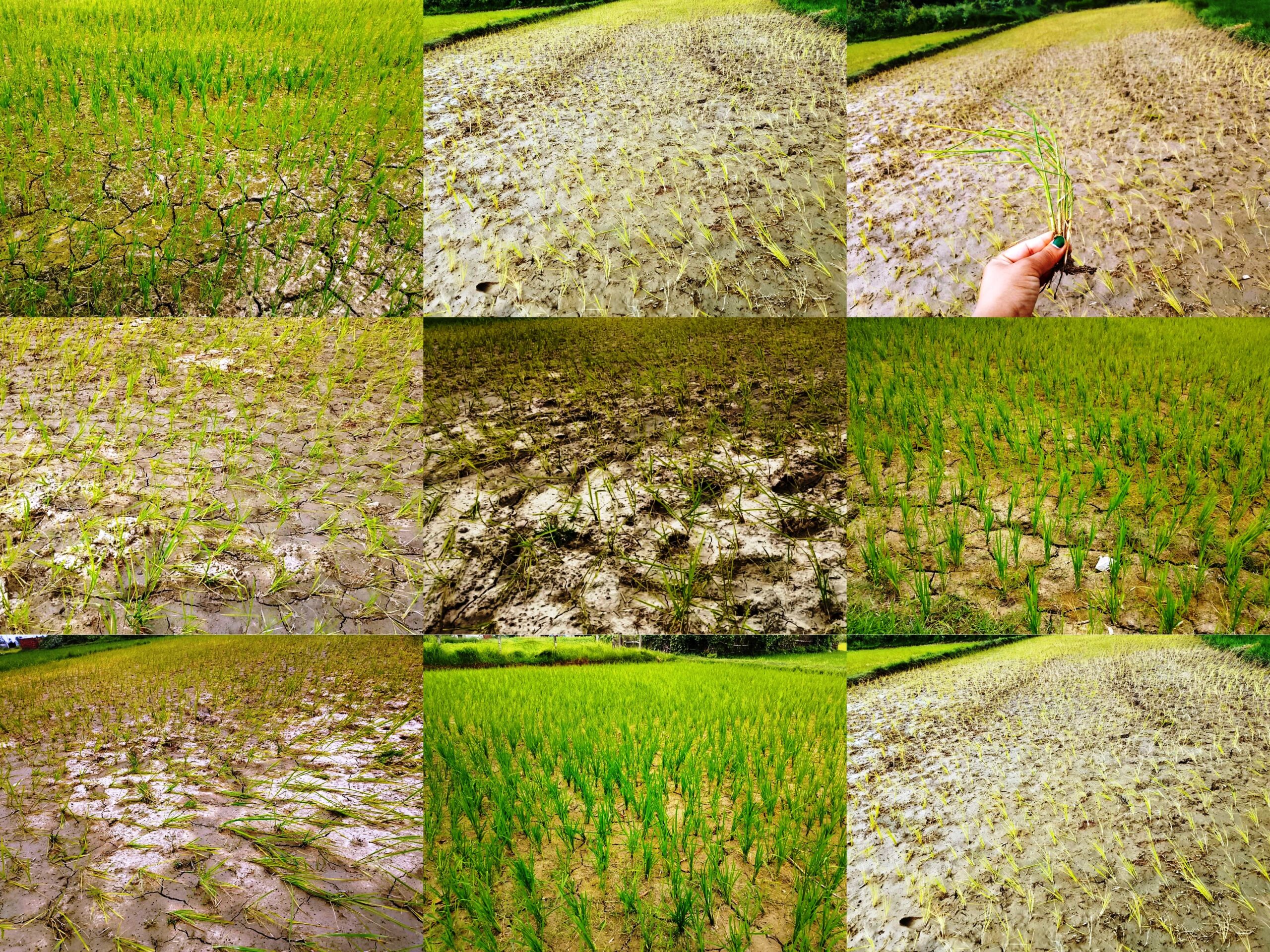

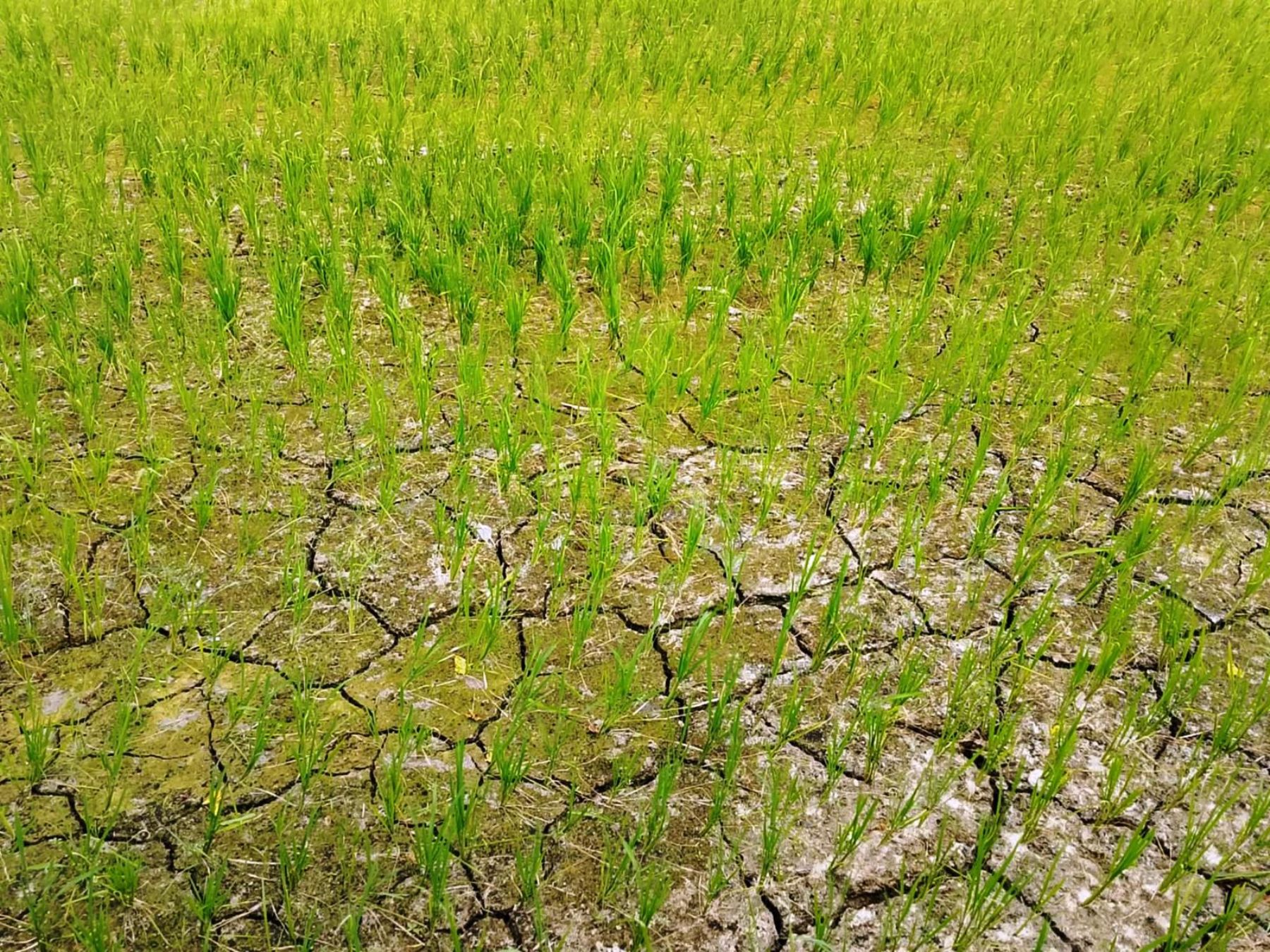
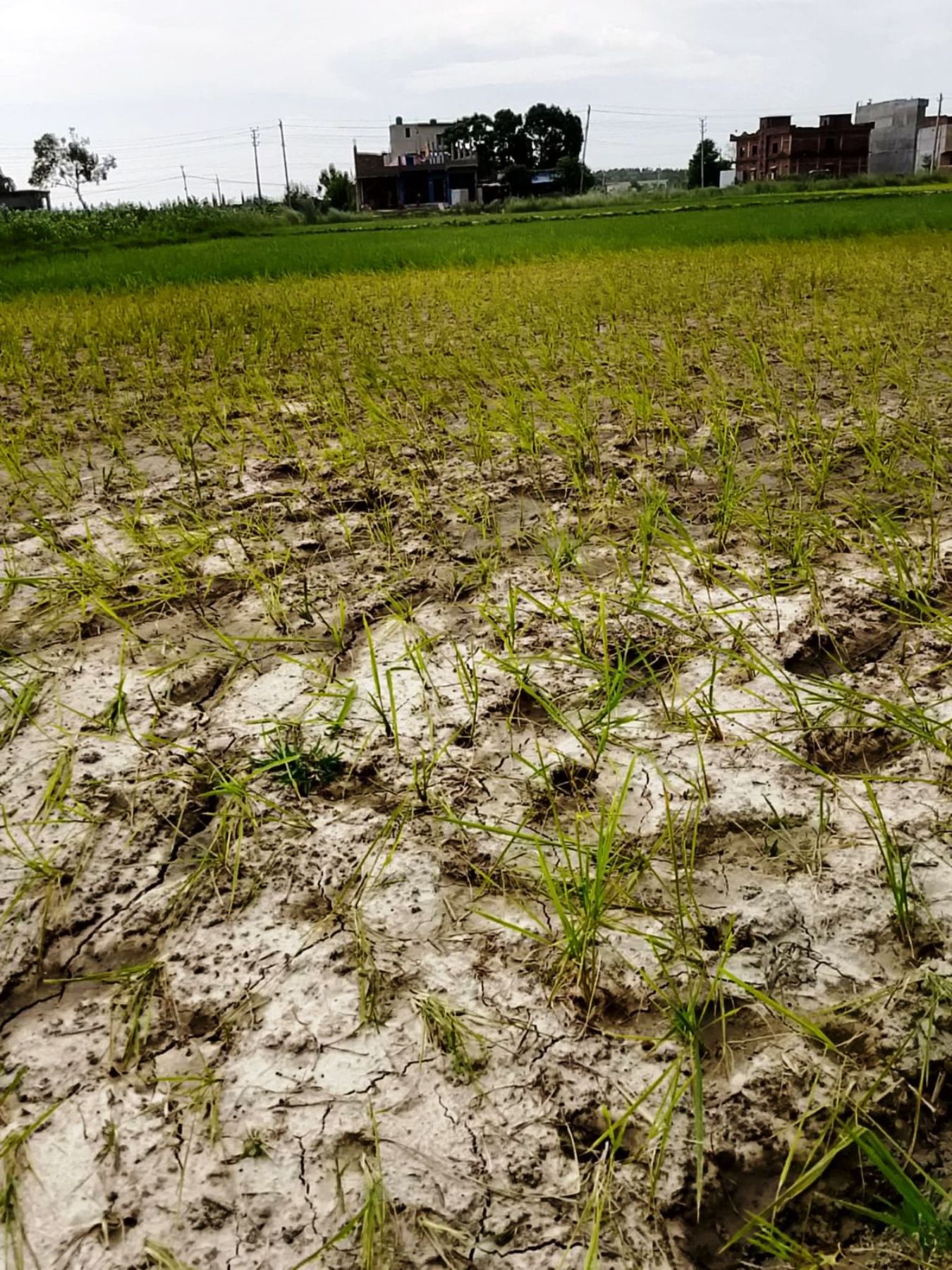
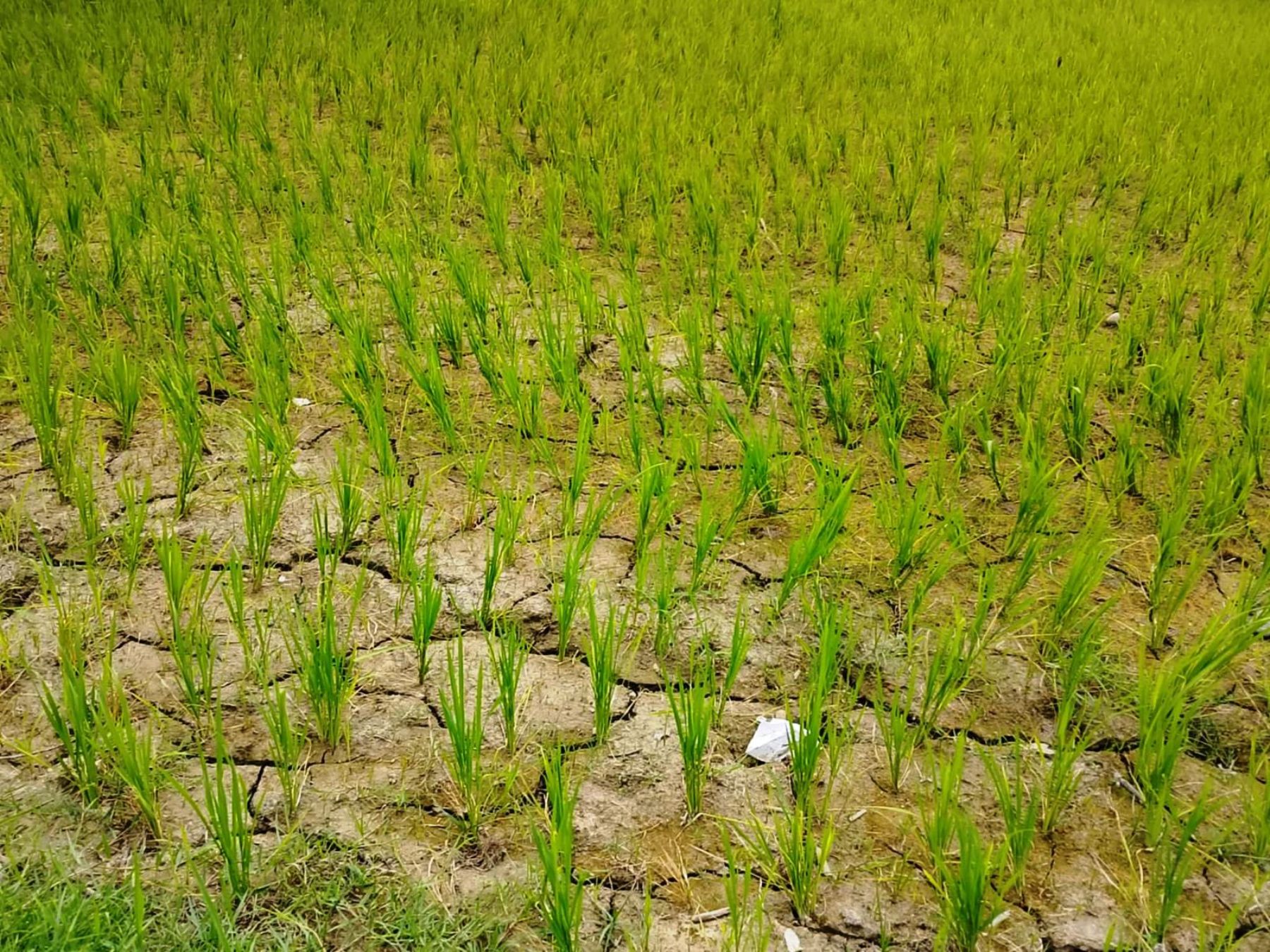
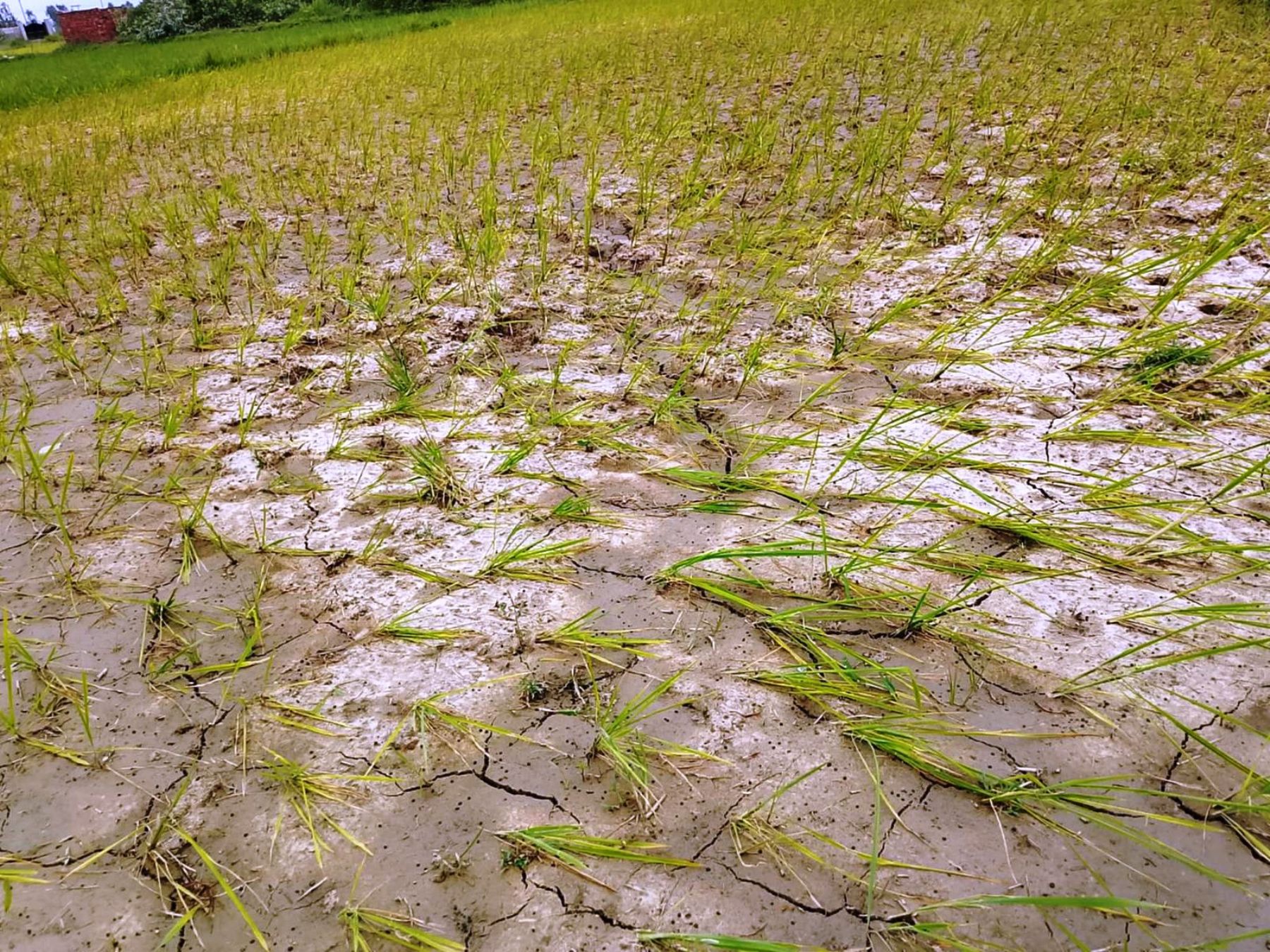
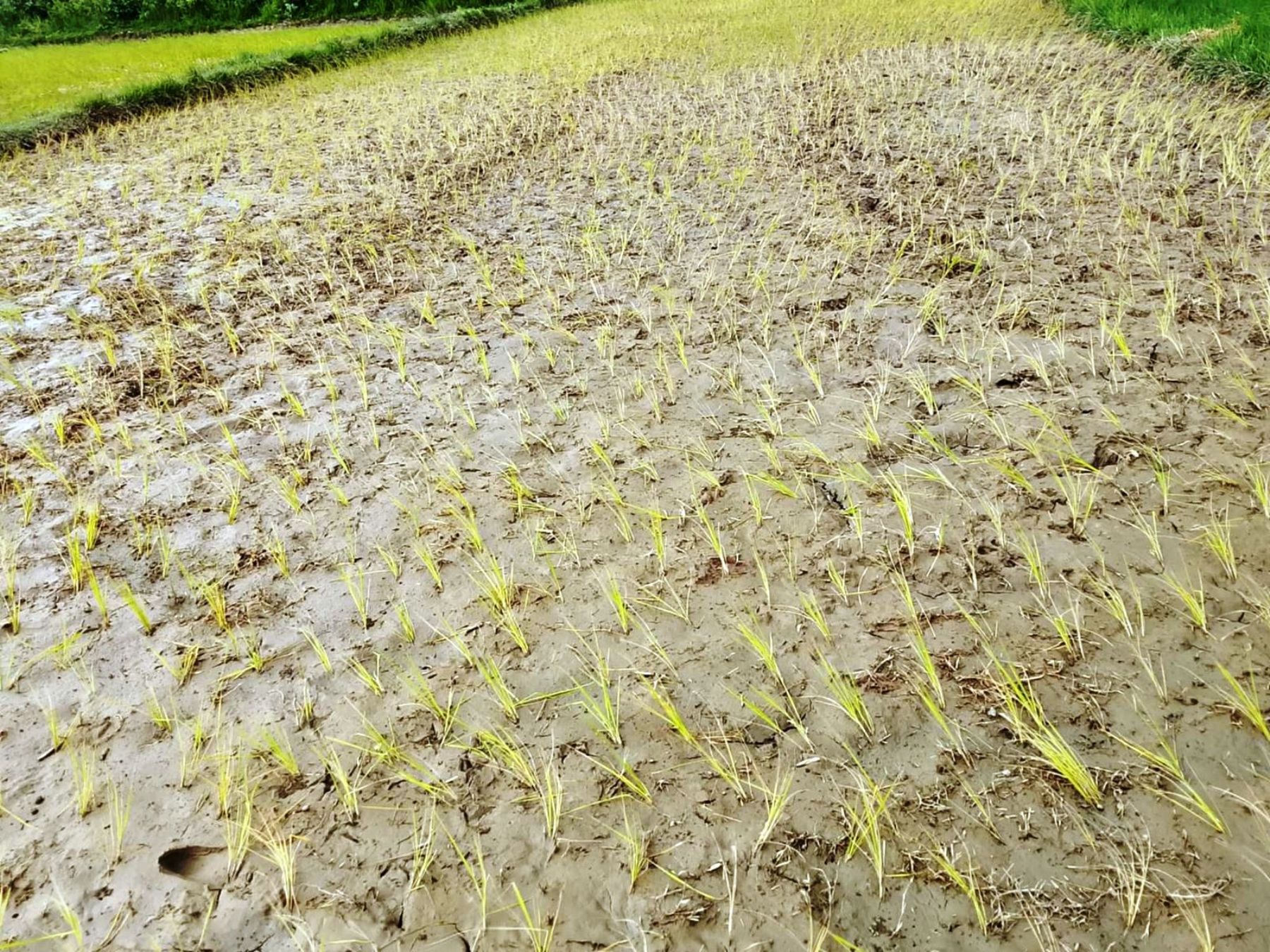
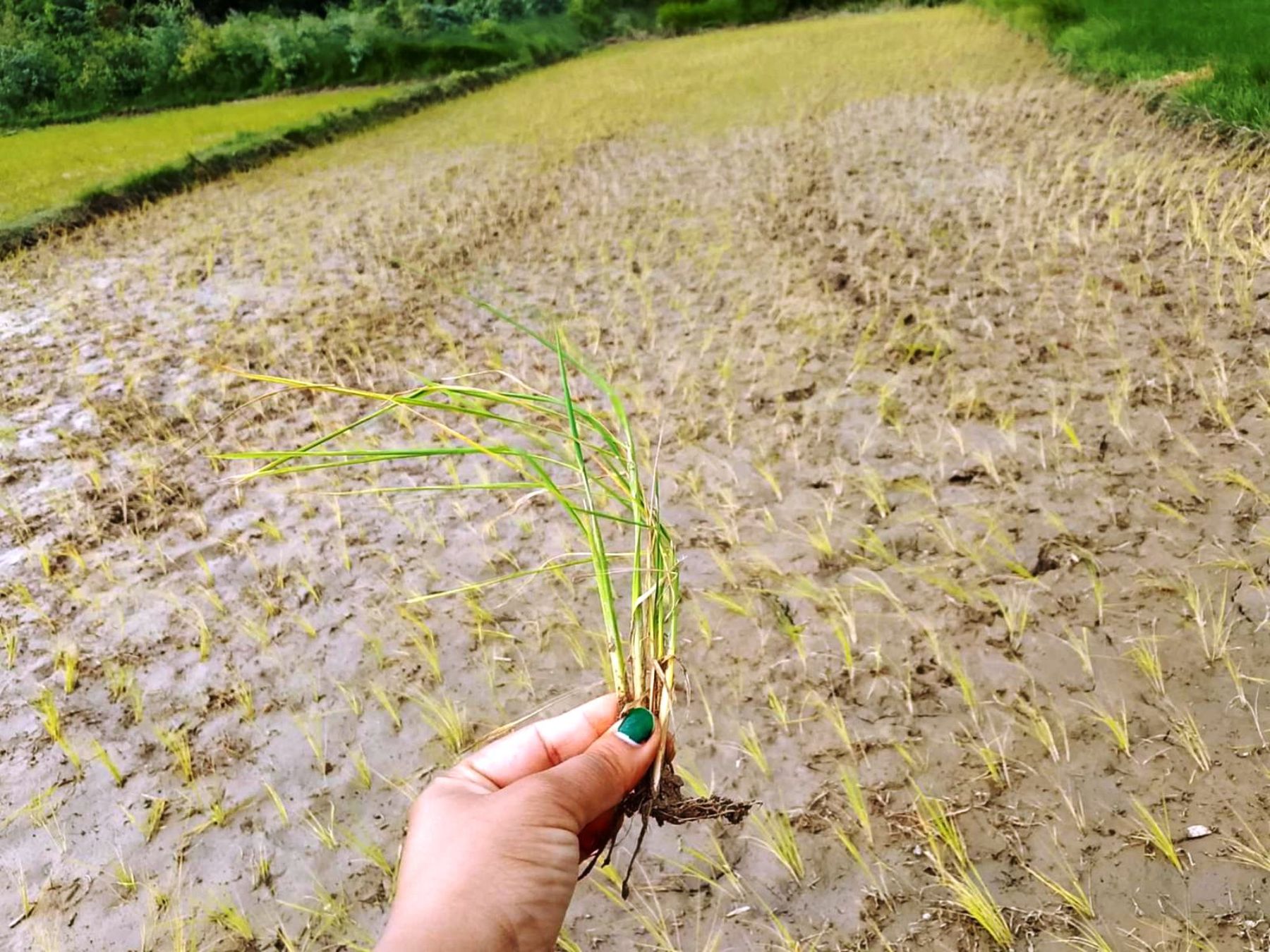
Bardiya, Nepal . In the far western plains of Nepal, particularly within the Lower Karnali Watershed, an intensifying agricultural crisis is unfolding. Seasonal monsoonsonce regular and predictableare now delayed and erratic, wreaking havoc on farming, the backbone of the region’s economy. For the thousands of farmers who rely on timely rain to sow and reap, the unpredictability is not just inconvenient, it’s devastating.
“We used to begin planting rice by mid-Ashar,” says 56-year-old Ram Bahadur Tharu from Geruwa. “Now we wait until Shrawan, and sometimes the skies stay dry.”
What was once considered a bad year is quickly becoming the norm. The reliability of farming is being steadily undermined by climate change, and the consequences are rippling through food systems, household economies, and centuries-old ways of life.
A Fertile Land Under Threat
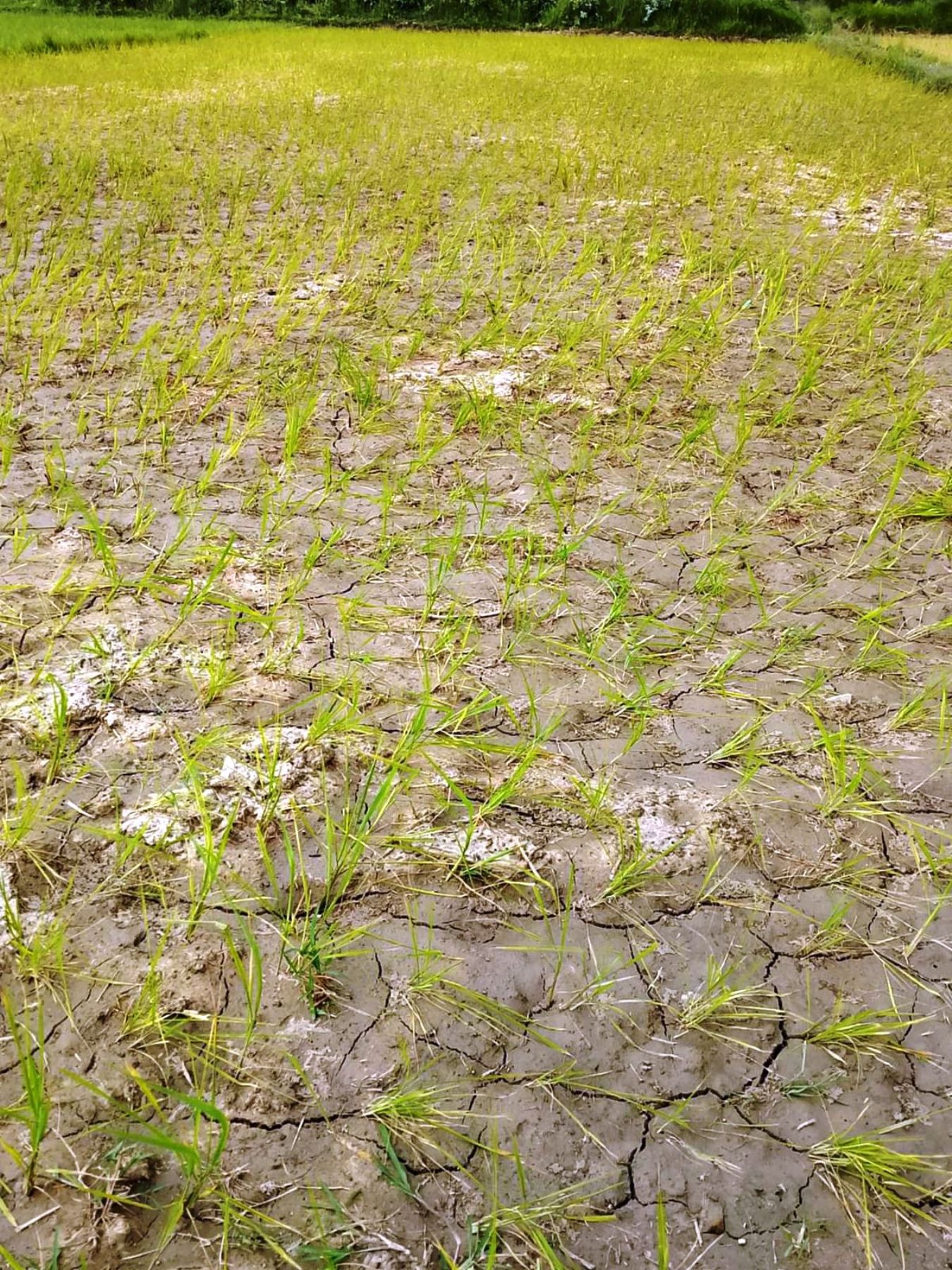
Nepal’s Terai region—often referred to as the country’s breadbasketis increasingly under siege from recurring droughts and declining rainfall. Where monsoon rains once arrived like clockwork, farmers now experience late starts and long dry spells. This seasonal uncertainty has turned planting into a gamble with devastating odds.
“Crop failure used to happen once every few years,” says Renu Chaudhary, a mother of two and subsistence farmer in Geruwa-3. “Now it happens almost every year. We’ve stopped growing maize and vegetables. We can’t afford the risk.”
A recent report by the World Meteorological Organization (WMO) confirms what communities already fear 2024 was the hottest year ever recorded, and the next five years are likely to be hotter, with an 86% probability that at least one year between 2025 and 2029 will exceed the critical 1.5°C global warming threshold.
The Rising Toll of Agricultural Drought
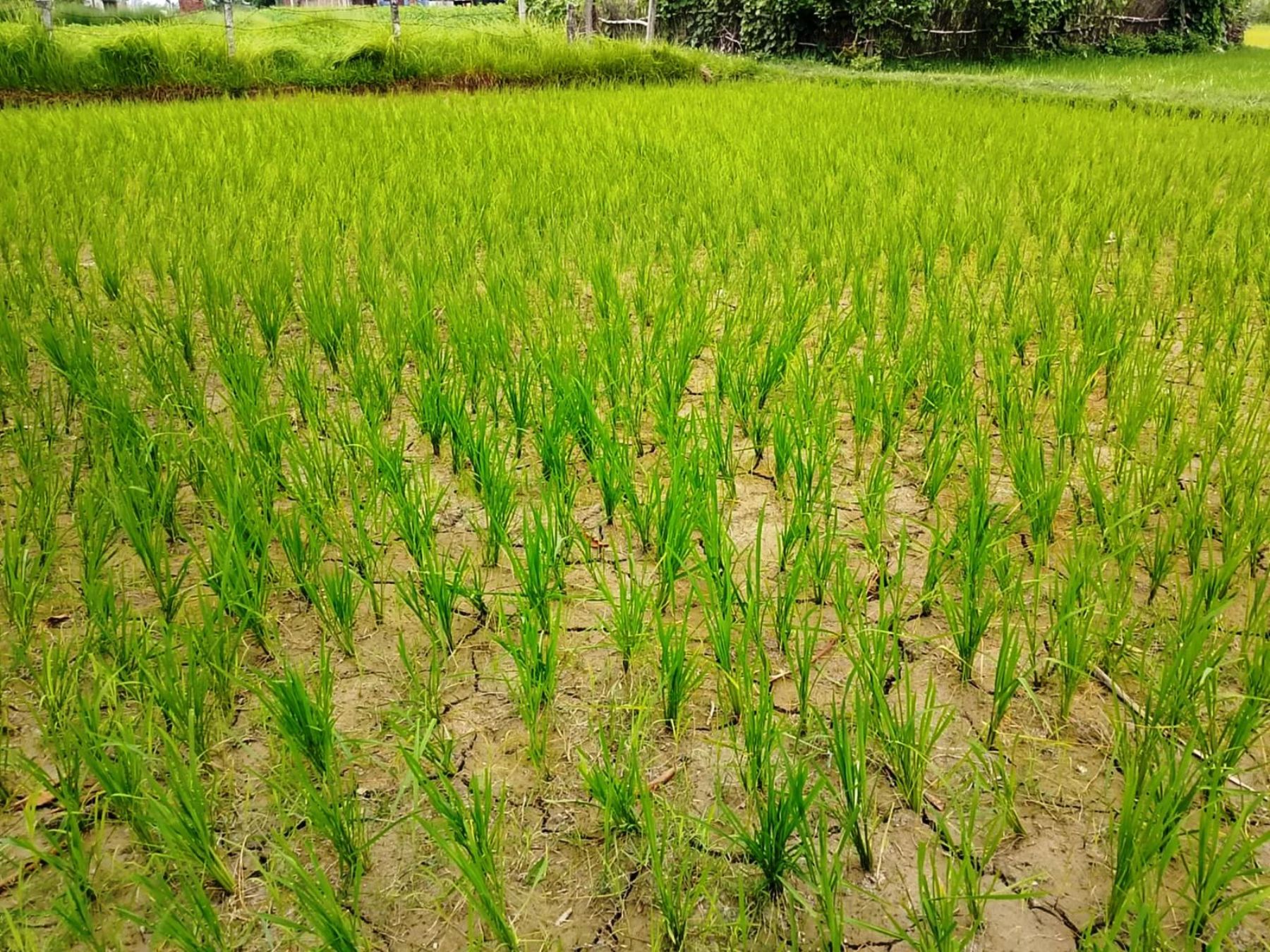
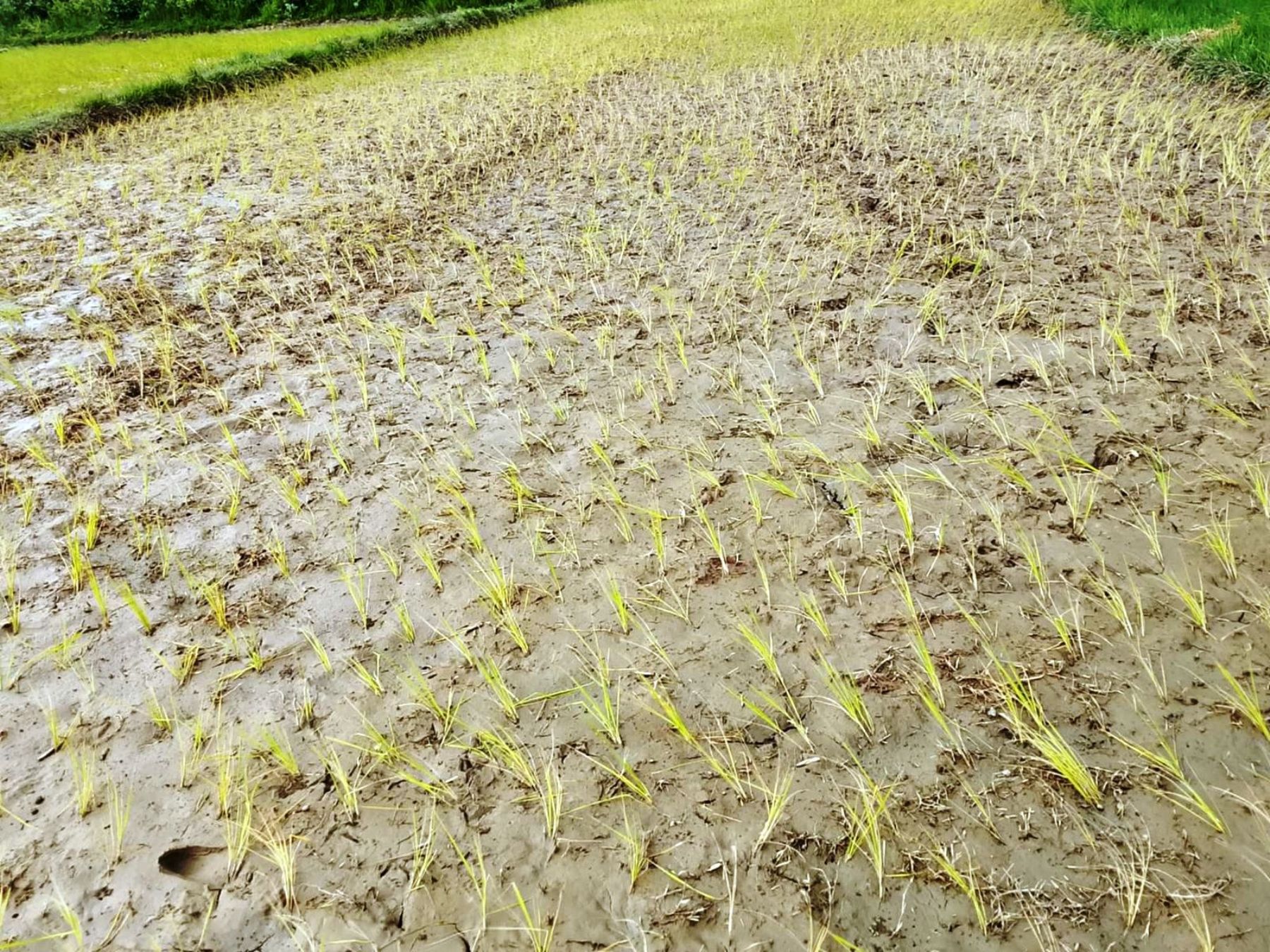
Bardiya’s crisis is not one of empty rivers or dry canals. It is an agricultural drought, where rainfall is inadequate to sustain crops despite the availability of groundwater. Unlike hydrological droughts that primarily affect water bodies, agricultural drought hits straight at the rootsof crops, of food systems, and of rural livelihoods.
“Rainfall here has dropped by more than 20% over the past two decades,” explains E.K. Raj Giri, head of the Agriculture Development Office in Bardiya and “It’s not just about the amountit’s about the timing. Crops need water at precise stages. Delays or erratic rains break that balance.”
The WMO notes that global temperatures are likely to fluctuate between 1.2°C and 1.9°C above pre-industrial levels over the next five years. Even short-term spikes, experts say, are already causing irreversible damage in vulnerable regions like Nepal’s Terai.
Ancestral Knowledge Outpaced
The Tharu peopleindigenous to the Teraihave for generations relied on ecological indicators like flowering trees, bird migrations, and insect behavior to time planting and harvesting. But these once-reliable cues are no longer in sync with the seasons.
“The signs are still there, but the seasons have changed,” says 70-year-old Laxmi Tharu. “We used to read the forest and the sky like a calendar. Now it’s all mixed up. The birds come late, the flowers bloom early.”
Locals are also critical of one-size-fits-all development approaches. “Hybrid seeds, chemical fertilizers, and large tractors are introduced without understanding our soil or climate,” says Jitendra Chaudhary, a youth activist from Rajapur. “Our traditional knowledge is ignoredand so are we.”
When Crops Die, So Do Opportunities
Crop failure doesn’t just mean empty fields. It translates into food shortages, rising prices, malnutrition, and a cycle of poverty that forces difficult choices. Some families skip meals; others pull their children from school. In some cases, daughters are married off early to reduce household burdens.
The burden on women is especially heavy. With many men migrating to India or the Gulf for work, women are left to manage farms, households, and children. Yet without formal land titles, they are often excluded from government subsidies, training programs, or loans.
“I manage everything nowfields, kids, homebut I don’t have a land certificate,” says Laxmi Kumari of Geruwa. “I can’t apply for help. We work more but eat less.”
Meanwhile, the WMO warns that the Arctic is warming more than three times faster than the global average and by 2029, winter temperatures in the Arctic are projected to rise 2.4°C above the 1991–2020 average. This is disrupting global weather systems, including the monsoons that South Asian agriculture depends on.
Seeds of Adaptation
Despite the growing challenges, communities are not sitting idle. Farmers in Geruwa and surrounding areas are switching to more resilient crops like millet, lentils, and native rice varieties. Traditional rainwater harvestingonce commonis being revived and combined with modern water storage techniques.
Women’s cooperatives are planting trees along field boundaries to protect soil from erosion and retain moisture. Youth groups are organizing climate literacy workshops to help farmers interpret shifting weather patterns and adjust their planting strategies accordingly.
“These may seem like small steps, but they matter,” says Bimala Tharu, a local community organizer. “Still, we need more than inspirationwe need investment. We need tools, training, and most importantly, respect for the knowledge we already have.”
Policy on Paper, Gaps on the Ground
Nepal’s national climate adaptation strategies emphasize local engagement and resilience. Yet on the ground, farmers say these promises remain largely theoretical.
“There’s a lot of talk about climate funds and adaptation programs, but nothing ever reaches us,” says researcher Mahesh Tharu. “We need solutions created with usnot for us, but with us.”
Many farmers in Bardiya report that they’ve never received a visit from an agricultural extension officer, let alone any government assistance for coping with drought or heat stress. Even basic weather updates are hard to come by.
The WMO notes that while a short-term breach of the 1.5°C threshold doesn’t technically violate the Paris Agreement, these episodes are urgent warning signalsespecially for nations with high climate vulnerability and low adaptive capacity.
A Visit to the Bara, Province 2, Silence in Bardiya, Banke, Kailali, or Kanchanpur
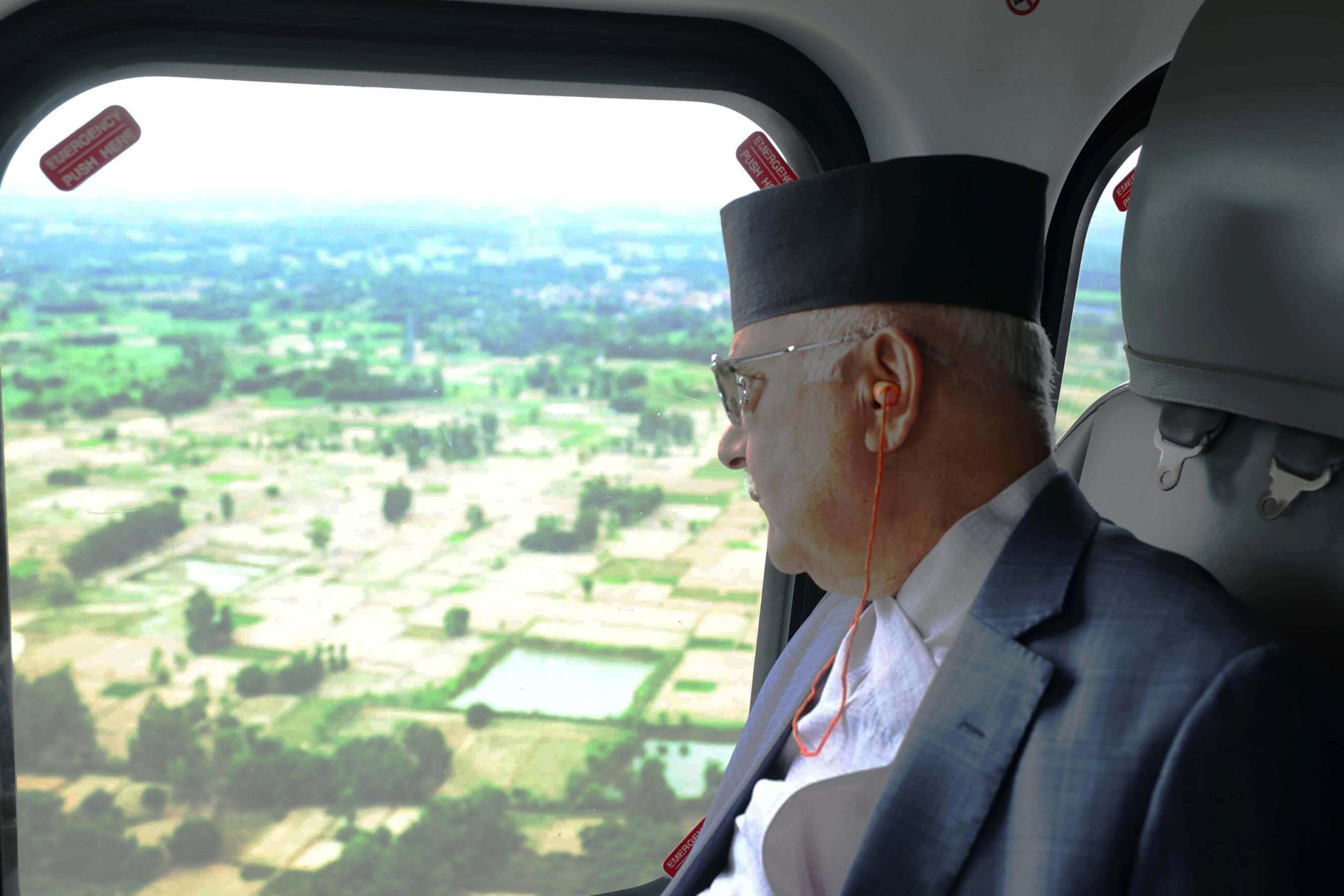
Prime Minister KP Sharma Oli stated that “he would visit the drought-stricken districts of Mahottari and Bara in Province 2, where insufficient rainfall has pushed rice planting beyond the first week of Shrawan”. He emphasized the need to witness the crisis firsthand and meet local farmers. While the visit was appreciated in the east, it sparked criticism in the west, where districts like Bardiya and Kailali also face severe drought and neglect. Critics argue that the drought is a national crisis and selective attention by federal leadership makes some communities feel unheard.
The Clock Is Ticking
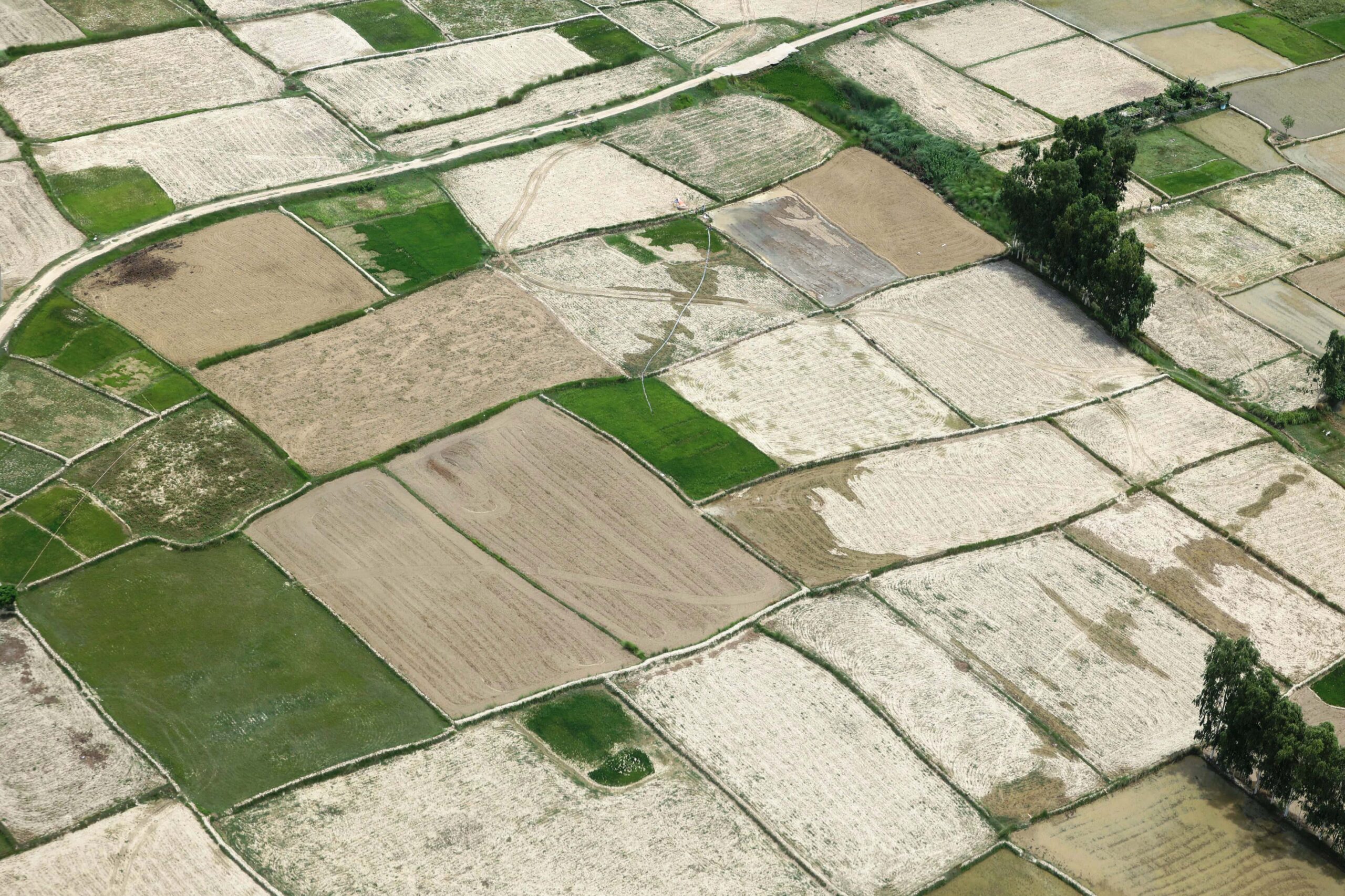
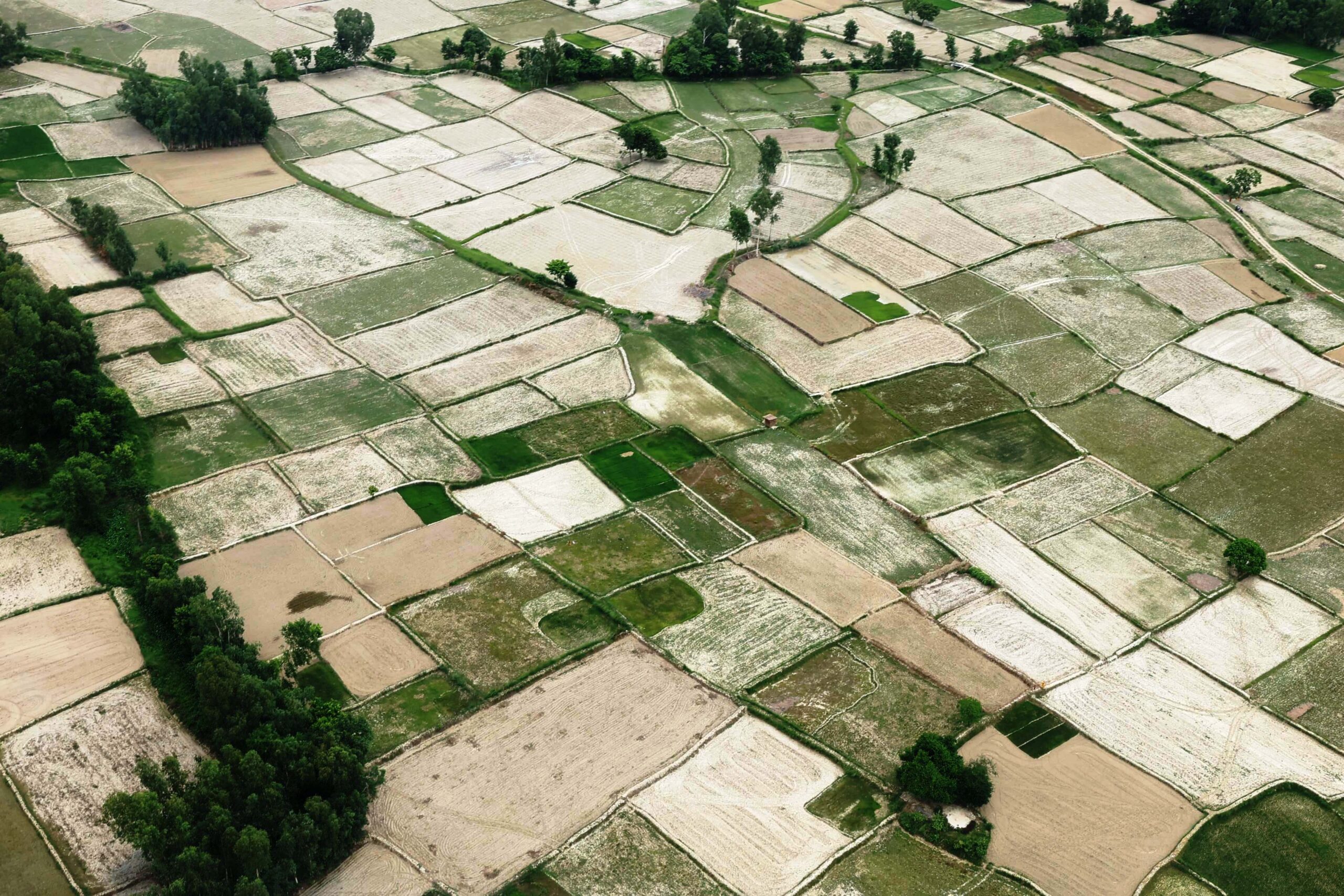
As the fields of Western Terai crack and brown under the relentless sun, the region stands at a critical crossroads. Without urgent, inclusive action, the consequences could be irreversible rural depopulation, food insecurity, and the collapse of a cultural way of life passed down through generations.
“This isn’t just about losing crops,” says Ram Bahadur. “It’s about losing who we are. We can adaptbut only if we’re part of the solution. We need to be heard.”
Local Actions for a Hotter Tomorrow
In Nepal’s Western Terai, communities are urgently demanding climate action that combines traditional practices with modern solutions. They call for restoring local water systems, promoting native drought-resistant crops, securing women’s land rights, and improving early warning systems. With rising global temperatures and unpredictable weather, climate change is already impacting their farms and way of life. Immediate, community-driven action is essential to prevent further loss.