अर्थ प्रणाली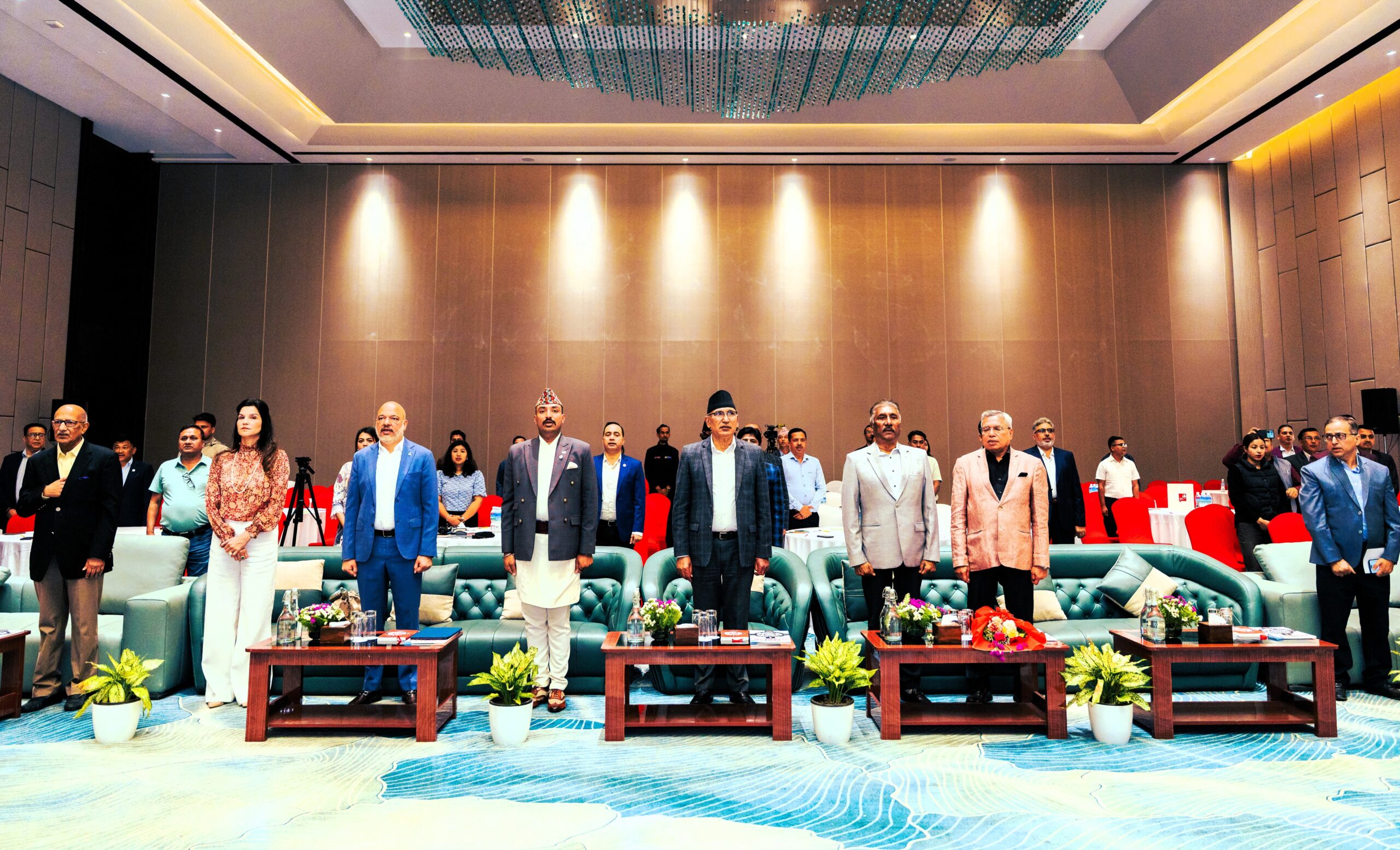

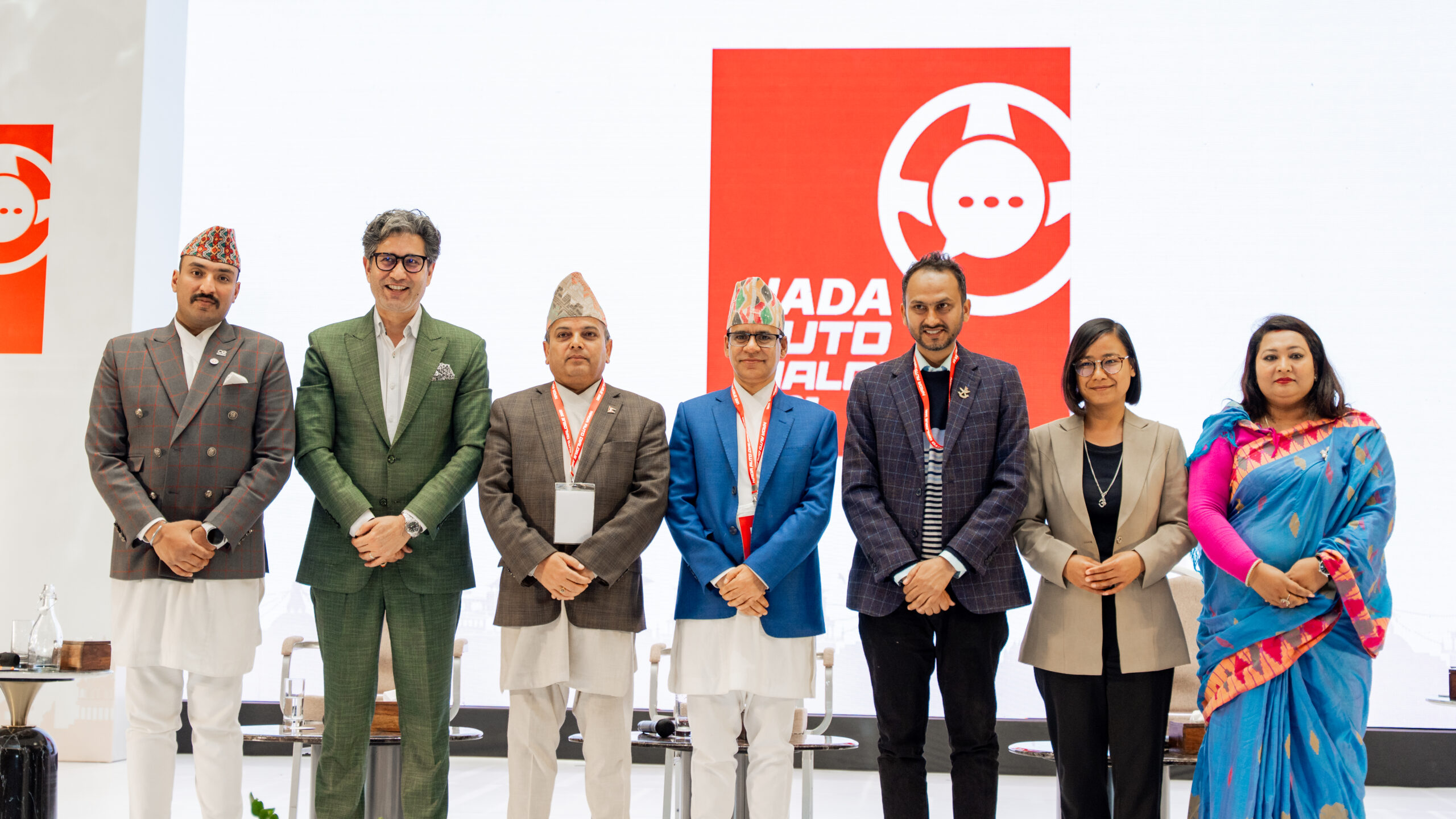
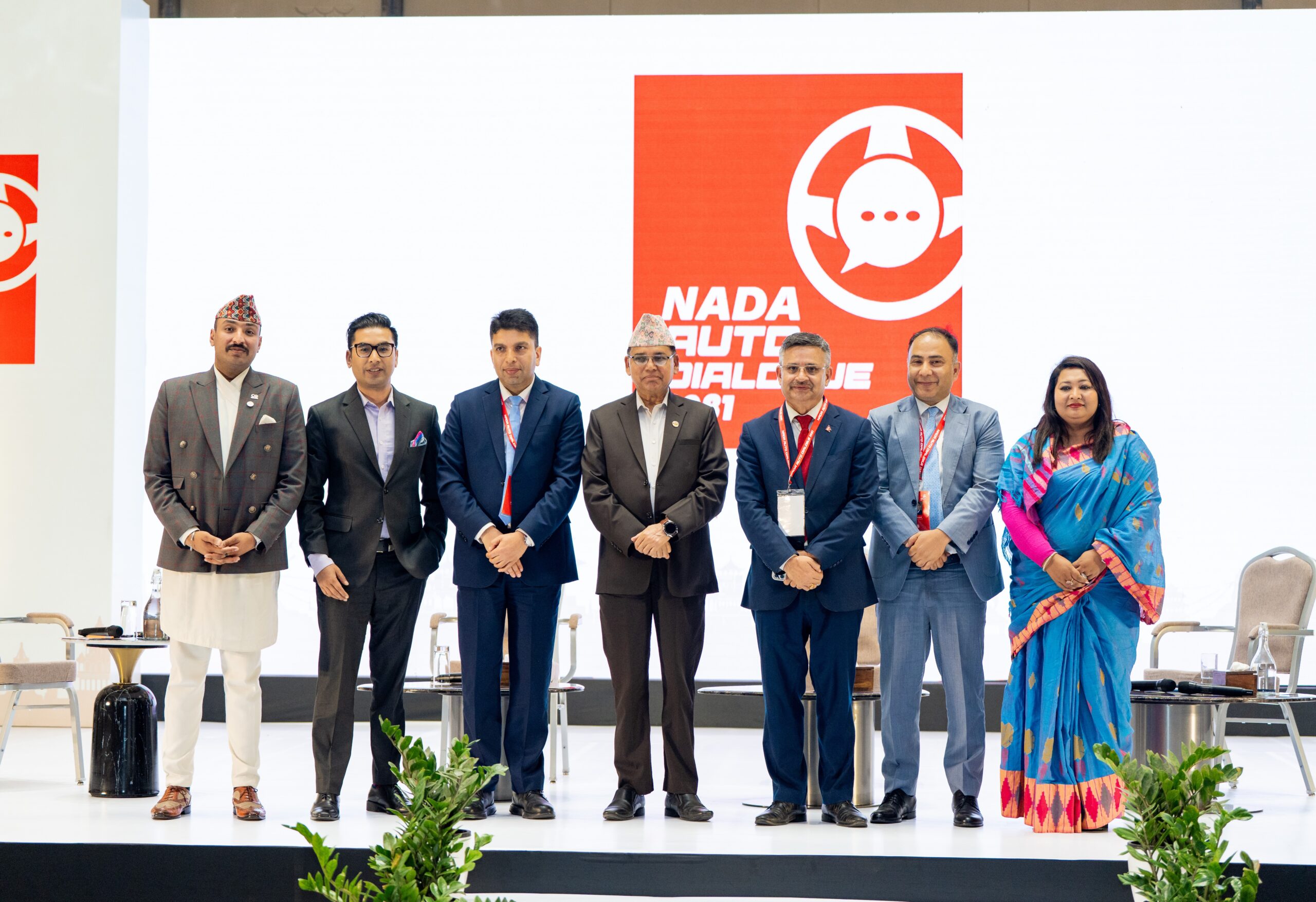
Kathmandu . The first ever NADA Auto Dialogue, promises to reshape the way we view the automobile industry in Nepal. This pivotal event addressed the history, foresight, and transformation of the automobile sector in the country, focusing on the critical shift from viewing vehicles as luxury to recognizing them as essential components for “Revolutionizing the Perception of Mobility in Nepal”, The event was graced by the Honourable Finance Minister, Mr. BishnuPaudel, as the Chief Guest, and featured a distinguished panel comprising experts from various sectors. Notably among them were Mr. Keshav Kumar Sharma, Secretary at the Ministry of Physical Infrastructure and Transport; Prof. Dr. Shiva Raj Adhikari, Vice-Chairman of the National Planning Commission (NPC); Mr.GhanShyam Upadhyaya, Secretary of FinanceMinistry and Representative from Country Director of Nepal from ADB, they were joined by several other esteemed panelists whose contributions were equally valuable.
Key Topics Discussed:
1. 50 Years of Progress & the Road Ahead
A look back at how Nepal’s auto industry transitioned from fuel-powered to electric vehicles, highlighting important achievements and changes in consumer preferences. The event also emphasized how policy inconsistency has hampered progress and why a consistent, long-term roadmap is critical for future prosperity. Recent departure pertinent to loan-to-value (LTV) ratios was raised as these kind of sudden policy departure set the dangerous precedent in growth of automobile sector in Nepal.
2. Passenger, a Utility not just Luxury
Mobility is a necessity, not a luxury. The discussion focused on making transportation more accessible across Nepal, especially for middle and lower-income groups. Sessions explored how long-term, reliable policies were vital for expanding infrastructure, encouraging local production, and making financing more consumer-friendly. Discussions also explored how better infrastructure, financing options, and localized production can support this shift.
3. Sustainability Mobility for Economic Development
This dialogue also explored critical role of sustainable mobility in driving economic development in Nepal. The paper emphasizes the need for eco-friendly, inclusive, and efficient transportation solutions—such as electric mobility. By aligning mobility initiatives with environmental goals and economic strategies, Nepal will increase the domestic consumption of green energy and reduced the dependency on the import. The panelist put forward some suggestion and recommendations to integrate sustainable mobility into national development planning.Industrialization must occur at all levels of the value chain, not just in assembly or distribution. The dialogue emphasized the need for backward integration, including the development of local component manufacturing, supply chain networks, and skilled workforce pipelines. This layered industrial growth is vital for building a self-sustaining automotive ecosystem in Nepal.
4. The Future of Mobility: Vision 2050
The future of automated cars, smart mobility solutions, and sustainable energy technology tailored to Nepal’s unique topography were discussed. Alternate Energy Vehicle’s, in particular, provide a pathway to cleaner air, lower carbon emissions, and less reliance on fossil fuels. However, making this vision a reality requires strong and long-term government policies that stimulate clean technology, and maintain consistent policy direction over time.
Importance of the Dialogue; Why It Matters
The NADA Auto Dialogue is an important platform for influencing Nepal’s perspective on the automobile sector. For far too long, cars have been viewed as a luxury for the wealthy, but this discussion reframes mobility as a fundamental right tied to economic opportunity, job creation, and national prosperity.
• Changing How We See Mobility:
o The discussion challenges outdated ideas of cars as wealth symbols, instead presenting them as essential tool for daily living, connectivity, and trade. Alternate Energysupport this change by providing an environmentally benign and cost-effective option. Personal and public mobility are no longer optional—they are foundational to economic and social empowerment.
• Consistent Sustainable Policies:
o This conference brings together government leaders, business investors, and consumers to explore policies that benefit everyone. Key subjects include public-private partnerships, fair vehicle financing, developing the eco system, and long-term consistent tax frameworks.
• Getting Ready for the Future:
o With global trends moving toward smarter, safer, and more efficient transportation, Nepal must align with these shifts. A strategic vision supported by supportive, stable policies can prepare the country for this transition while decreasing pollution, creating jobs, and establishing Nepal as a regional leader in green automotive innovation.
Conclusion:
This dialogue represents an important point in Nepal’s auto sector. With the right combination of supportive policies, appealing financing options (such as practical LTV models), Nepal has the potential to transition from a vehicle importer to a hub of eco-conscious, innovative, and self-sufficient automotive solutions. Nepal has the potential to transform into a resilient, accessible, and forward-looking mobility economy.